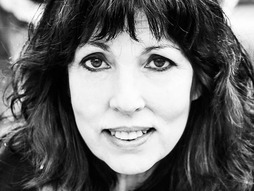
Scott Fraser
Memory and Perception Expert | Researcher on Eyewitness Testimony Reliability
Most recently at TEDxUSC in 2012.

About
Scott Fraser is a researcher at Duke University who investigates the critical flaws in human memory and perception, particularly within the context of eyewitness testimony. His groundbreaking work examines why people's recollections of events can be dramatically unreliable, even when witnesses are completely confident in their accounts.
Fraser's research has significant implications for the criminal justice system, where eyewitness testimony has traditionally been considered among the most compelling forms of evidence. Through his TEDxUSC presentation "Why eyewitnesses get it wrong," he has brought attention to the psychological and neurological factors that contribute to memory distortion and misidentification.
His work helps explain how stress, lighting conditions, cross-racial identification challenges, and the reconstructive nature of memory can lead to serious errors in witness accounts, potentially affecting legal outcomes and justice.
Featured1 with video
Why eyewitnesses get it wrong
Scott Fraser studies how humans remember crimes -- and bear witness to them. In this powerful talk, which focuses on a deadly shooting at sunset, he suggests that even close-up eyewitnesses to a crime can create "memories" they could not have seen. Why? Because the brain abhors a vacuum. Editor's note: In the original version of this talk, Scott Fraser misspoke about available footage of Two World Trade Center (Tower 2). The misstatement has been edited out for clarity.
1 talk, all in 2012
This is only what we could find published. Scott has almost certainly done more.
Is this you?
Claim this profile to edit your bio, add talks, and get verified.
Free. We don't charge speakers to be listed.
Know a talk we're missing?
At a Glance
Industries
Save for Later
Similar Speakers
Related by topic and shared stages

.jpg?width=800)
Explore related directories
Conferences, directories, and industries connected to Scott Fraser